





Description
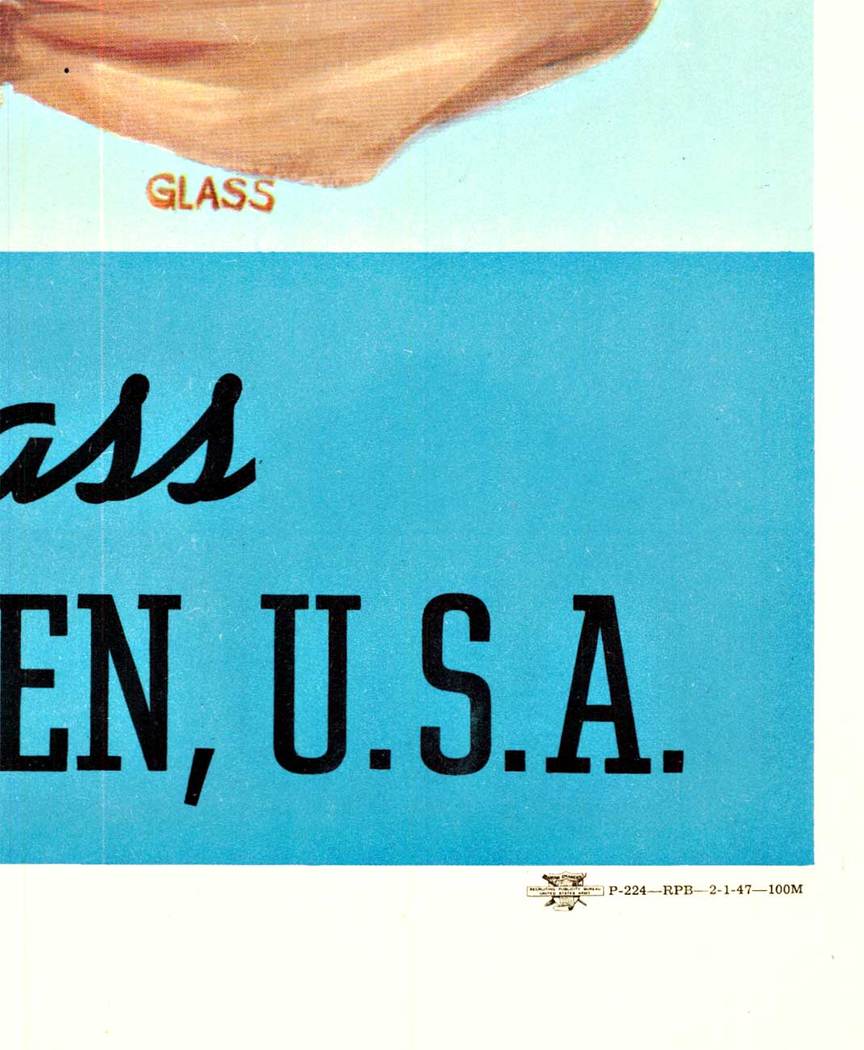
“First Class Soldier and Citizen, U.S.A.” by Glass – Post-WWII Military Recruitment Poster
This is a fascinating transitional piece marking the shift from wartime to Cold War-era military recruitment! Here’s its significance:
? Artist Information
Glass
- ? Poster artist for post-WWII military recruitment campaigns
- ? No extensive biographical information available
- ? Known for clean, professional portrait work
- ? Catalog reference: R-224-RPB-2-1-47
Note: The artist’s limited documented history is typical of commercial illustrators of this era—many talented designers worked anonymously or with minimal credit.
? Historical Context
The Transition Period:
- ⏰ Post-World War II (circa 1947, based on catalog code)
- ?? America shifting from wartime mobilization to peacetime military maintenance
- ? Beginning of Cold War tensions with Soviet Union
- ? Need for sustained volunteer military recruitment
Strategic Shift:
- ?️ WWII recruitment emphasized patriotic duty and existential threat
- ? Post-war recruitment shifted to career opportunities and civic pride
- ?? Messaging changed from “We need you NOW” to “Join a professional force.”
- ? Peacetime army recruitment required different psychological appeals
?✈️ Visual Analysis & Symbolism
The Soldier Portrait:
- The Smiling Face ?
- ? Confidence and contentment (vs. stern duty in WWII posters)
- ? Direct eye contact creates a personal connection
- ? Suggests military life is rewarding and positive
- ? No fear or anxiety—this is a good choice
- ? Represents the “all-American” ideal of the late 1940s
- The Crossed Arms Pose ?
- ?️ Conveys strength and competence
- ? Relaxed posture suggests confidence without aggression
- ? Professional demeanor—not menacing
- ? Open, approachable stance (not defensive)
- ? “I’m secure in my role and proud of it.”
- The Khaki Uniform ?
- ? Clean, well-tailored appearance
- ? Distinctive military identity without being overly military
- ? Represents professionalism and order
- ?? Symbolizes American authority and stability
- The Blue Background ?
- ? Calming, trustworthy color
- ? Creates contrast without drama
- ?️ Suggests clarity and open skies
- ? Associated with Navy/military tradition
? The Slogan
“First Class Soldier and Citizen, U.S.A.”
This title brilliantly combines:
- ⭐ “First Class” = Excellence, quality, elite status
- ?️ “Soldier” = Military professionalism
- ?? “Citizen” = Civic responsibility and rights
- ? Integration = Suggests military service enhances citizenship
The Psychological Appeal:
- ? Joining the military = Achieving “first class” status
- ?? It’s a career, not just a duty
- ? You remain a full citizen while serving
- ? Implies respect, pride, and social standing
- ? Professional identity, not just sacrifice
? Design Excellence
Clean, Modernist Approach:
- ✨ Minimal background—focus entirely on the person
- ? Professional portrait photography aesthetic
- ? Realistic rendering (vs. more stylized WWII posters)
- ?️ Centered composition commands attention
- ? Limited color palette (khaki, blue, skin tones)
- ? High-quality commercial illustration technique
Why It’s Effective for Recruitment:
- ? Relatable, handsome subject appeals to young men
- ? Positive emotional association
- ? Clear message: This is a respectable profession
- ? Professional appearance = Career opportunity
- ? Aspiration without militarism
? Historical Significance
Post-WWII Military Context:
- Demobilization Challenge ?
- Millions of soldiers were discharged after 1945
- Need to recruit volunteers for a peacetime standing army
- Shift from “total war” to professional military force
- Cold War Beginnings ❄️
- Soviet Union is emerging as an adversary
- Long-term military presence required
- Need to attract quality volunteers for sustained service
- Recruitment shifted to career messaging
- Generational Appeal ??
- Targeted young men born in the 1920s-1930s
- Appeal to post-war optimism and prosperity
- Military service as a pathway to stability and advancement
- GI Bill educational benefits now part of recruitment narrative
? Production Details
- ? Available in larger format – Indicates wide distribution
- ? Professionally linen-backed – Restored original fold marks (standard for period)
- ? Original lithograph – Not a reproduction
- ? Catalog reference: R-224-RPB-2-1-47 (Government printing office designation)
- ✅ Documented military recruitment material
? Rarity & Collectibility
Why This Poster Is Scarce:
- ? Post-war recruitment posters are less collected than WWII examples
- ? Narrower appeal—specific to Cold War military recruitment
- ? Many were discarded as “outdated” during subsequent recruitment campaigns
- ? Less emotionally dramatic than wartime propaganda—lower collector demand historically
- ? Artist Glass has a minimal documented history, adding to scarcity
? Cultural Reflection
This poster captures a pivotal moment when:
- ?? America transitioned from existential wartime to Cold War tensions
- ?? Military service shifted from duty to a career opportunity
- ? Propaganda became aspirational rather than urgent
- ? Education and professionalism became recruitment incentives
- ? The “first class” ideal represented post-war American optimism
The contrast with WWII posters is striking:
- ⚠️ WWII: “Your country needs you NOW.”
- ? Post-war: “Join a professional force—advance your career”
This represents a fascinating chapter in American military recruitment history! ???️
Claude Haiku 4.5





Reviews
There are no reviews yet.