
Description
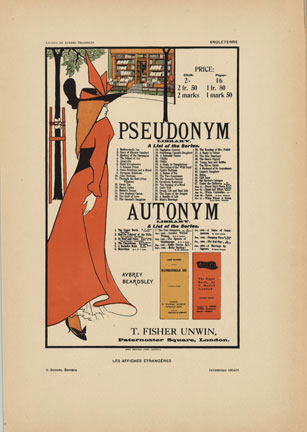
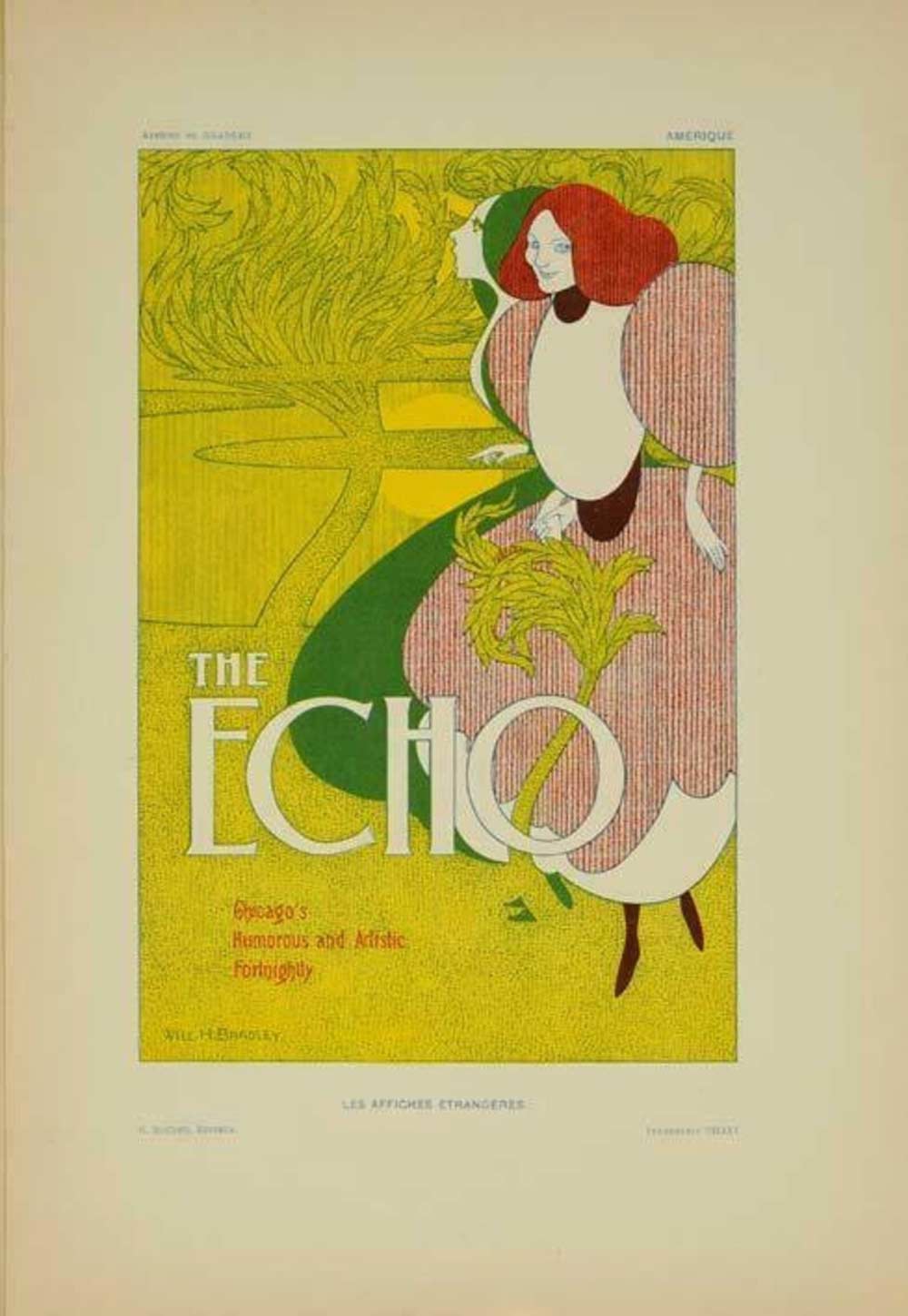
Meet Aubrey Beardsley—the artist who rewrote the rules of what design could be. When T. Fisher Unwin commissioned this poster for its “Pseudonym Autonym” series, it wasn’t asking for decoration. They were asking for revolution. And Beardsley delivered something that still feels dangerous over 125 years later. Look at that figure—the curves are almost liquid, the line work is absolutely fearless, the color placement defies what you’d think should work, but completely works. This is what happens when a major publisher recognizes that true literary prestige requires design that matches the boldness of the books themselves.
Here’s what serious collectors understand immediately: Beardsley didn’t just design posters. He fundamentally changed what posters could be. He took Japanese influence, merged it with Art Nouveau sensibility, stripped away everything unnecessary, and created something so powerful that museums still study his work as the moment modern design was born. When T. Fisher Unwin put this on London’s walls, they weren’t just advertising books. They were saying: Our publishing house is brave enough to hire the most visionary artist working in Britain. That’s institutional positioning at the highest level.
Here’s what makes this piece genuinely extraordinary: you’re holding a Beardsley original from 1897, just one year before his death. This is vellum-stock fine art printed by Chaix with the precision that made their name legendary. One of 1,050 copies, and the archival matting means this has been protected as the historical treasure it is. Publishers, design institutions, and serious collectors recognize this as a cornerstone work because it captures the exact moment when radical design authority became the marker of true institutional prestige. Beardsley proved that books—and the institutions that published them—needed design that was just as bold as their ideas.
You’re acquiring more than a poster. You’re holding the moment that modern design was born. Beardsley understood something that matters today just as much as it mattered in 1897: beauty and boldness aren’t luxuries for institutions. They’re proof that you understand who you are.



Reviews
There are no reviews yet.