

Description
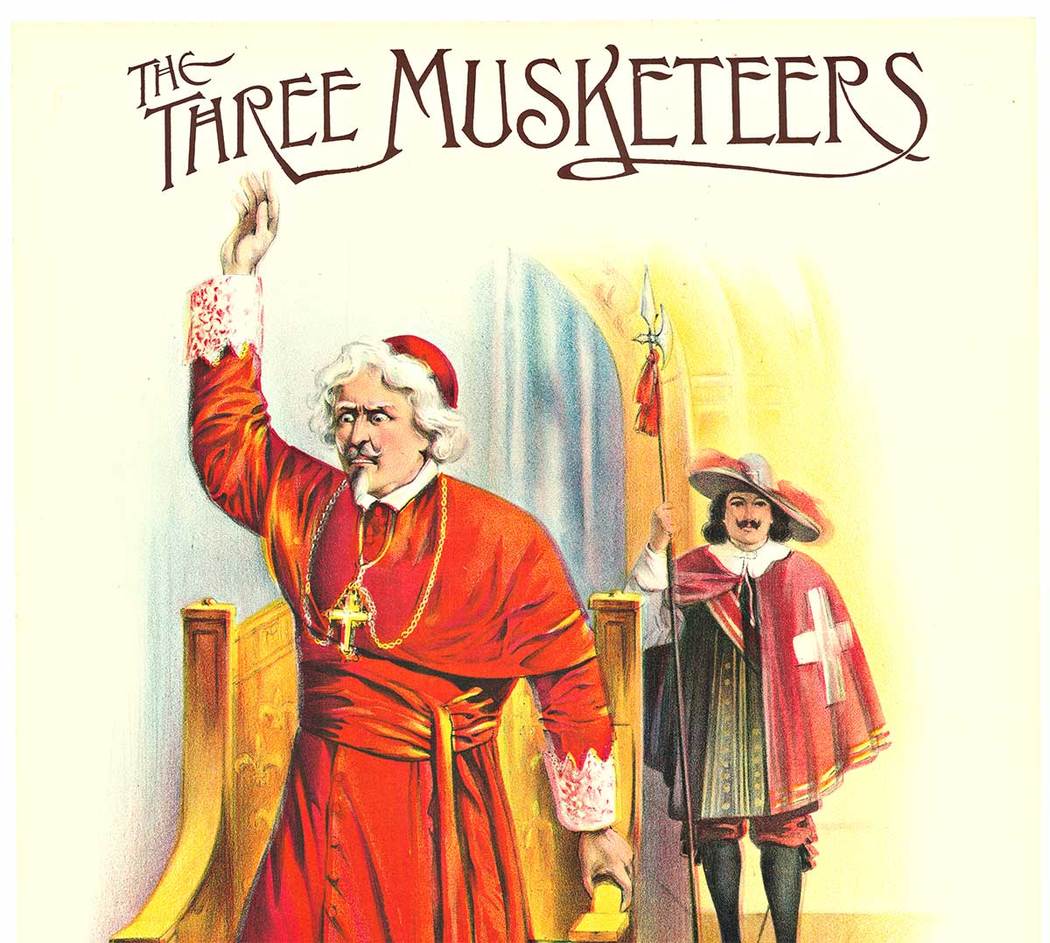
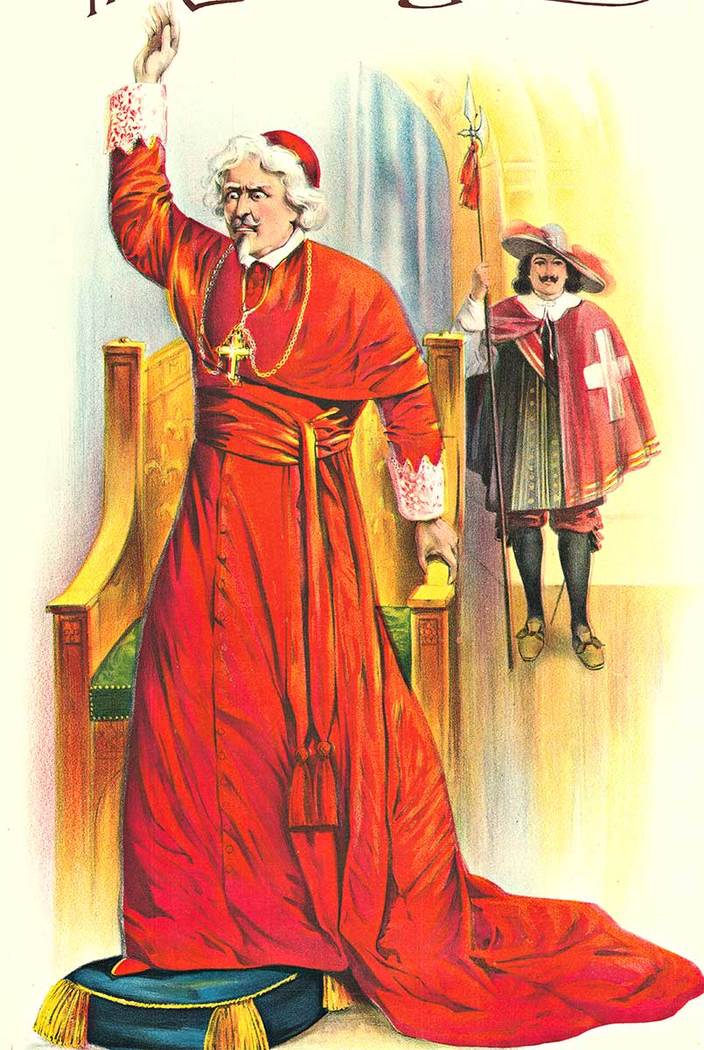
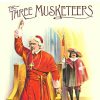
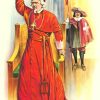
Here stands Cardinal Richelieu in all his theatrical majesty—one arm raised in commanding gesture, his brilliant red ecclesiastical robes filling the frame, his face conveying the cunning and absolute authority that made him one of literature’s most unforgettable antagonists. Behind him, figures in period dress suggest the intrigue and danger that surrounds him. This is theater as spectacle, communication distilled to a single image: power, conflict, grandeur. The poster artist understood that one moment—Richelieu in his cardinal’s robes—told audiences everything they needed to know about what awaited them in the theater.
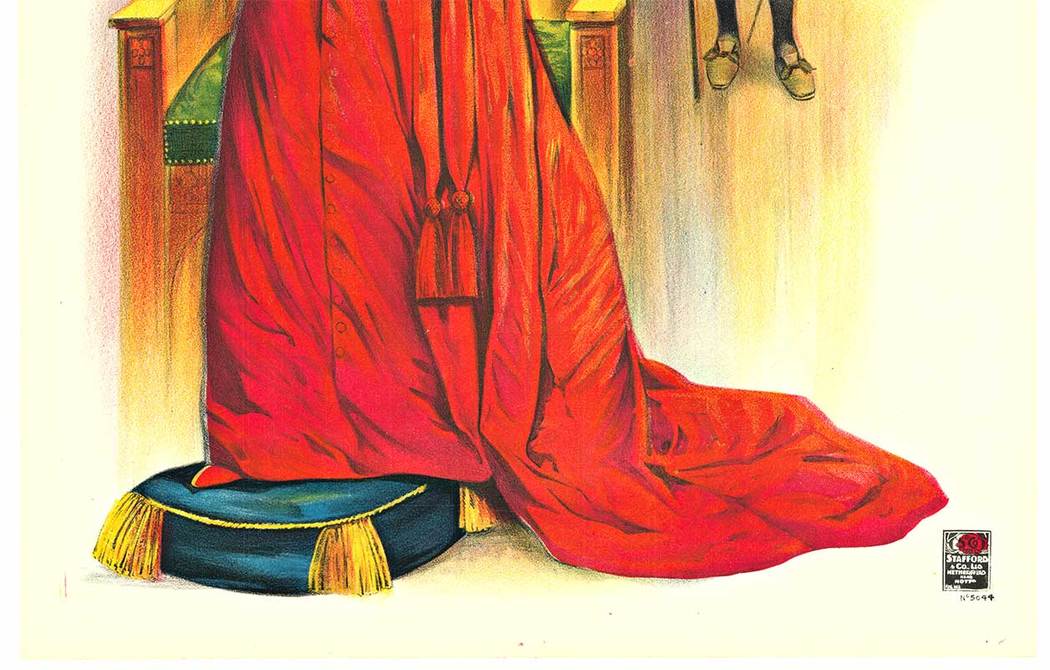
The composition is masterfully balanced between drama and legibility. The artist uses warm tones—reds, golds, skin tones—to draw your eye to the cardinal’s dominant figure, while cooler background tones recede, creating depth and theatrical atmosphere. Notice the careful rendering of fabric and drapery; the artist captures both the weight and texture of those magnificent robes, suggesting both ecclesiastical authority and the sensuality of fine theatrical costume design. The color separation required for stone lithography makes this technique evident in every layer—each hue applied separately, carefully registered, resulting in a composition that feels both painterly and immediately recognizable as promotional art.
The Three Musketeers, published by Alexandre Dumas in 1844, was adapted for the stage repeatedly throughout the late 19th and early 20th centuries, each production seeking to capture the novel’s blend of adventure, friendship, and political intrigue. This British theater poster dates to that golden age of stage adaptation, when elaborate scenic production and star performers drew audiences night after night. The character of Cardinal Richelieu—the powerful antagonist, the scheming courtier, the embodiment of institutional corruption—became the visual shorthand for what audiences craved: a worthy adversary, a complex villain, political theater. Printed on archival linen backing, this original retains its vibrant color and crisp registration, a testament to the quality of Victorian lithographic printing.
To own this poster is to hold a window into theatrical history and the power of image-making in popular entertainment. This is how audiences discovered what shows were coming to their theaters—through posters exactly like this one, displayed in shop windows and on building facades. The character of Richelieu, whether in literature or on stage, represents timeless themes of power, corruption, and the individual conscience standing against institutional authority. Every vintage theater poster is a record of a specific production, a specific moment, and the hopes of its creators that this image alone could draw audiences through the theater doors.





Reviews
There are no reviews yet.