Paul Colin
Paul Colin Bio
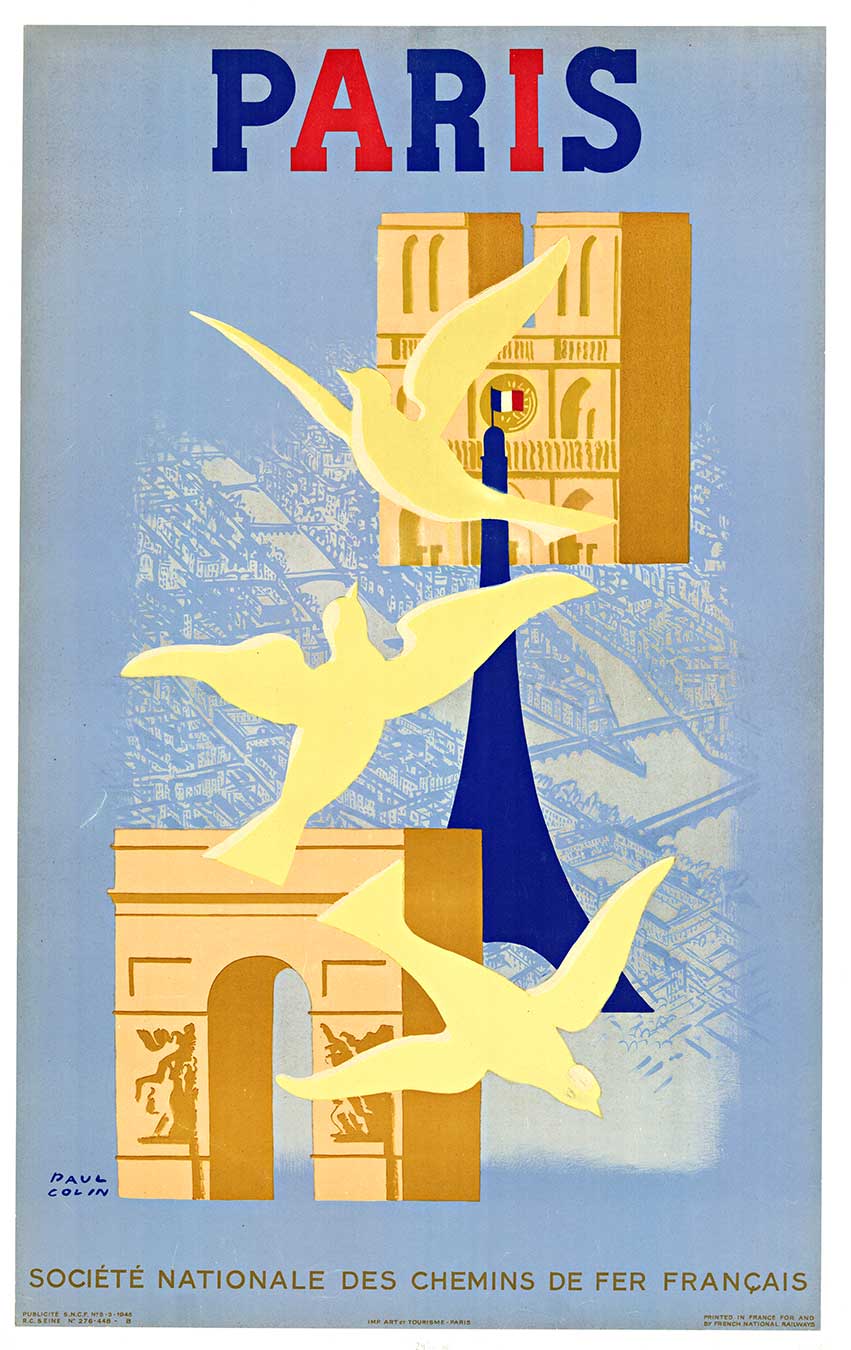
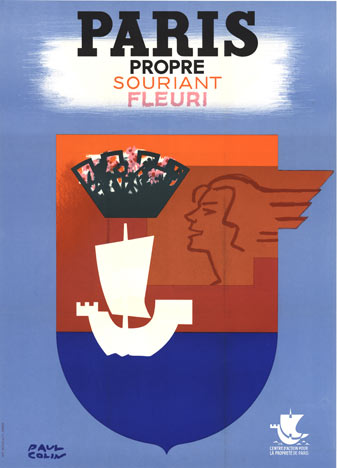
Paul Colin (1892–1985) was a French graphic designer, poster artist, and illustrator renowned as one of the twentieth century’s greatest masters of Art Deco poster design. Born in Nancy and educated at the École des Beaux-Arts, Colin became the visual architect of Paris’s Jazz Age, capturing the energy, movement, and elegance of 1920s entertainment through revolutionary poster art that merged Cubism, Surrealism, and modernist innovation into a distinctly French decorative style.
Colin’s breakthrough came in 1925 when he designed the iconic poster for La Revue Nègre featuring Josephine Baker, simultaneously launching both the performer’s legendary career and his own international reputation. This masterwork established him as the preeminent poster artist for Paris theater, music halls, and revues. Throughout the 1920s and 1930s, he created dozens of seminal posters for performers across all media—theater, cabaret, cinema, and dance—defining the visual language of Parisian nightlife and public culture. His distinctive approach combined dynamic figuration, bold color contrasts, and an extraordinary ability to suggest movement through deceptively economical composition. Beyond posters, Colin worked as a theatrical and film set designer, expanding his influence across the performing arts. In 1930, he founded the first dedicated poster school in Paris, where he trained many of the next generation’s most accomplished designers, cementing his role as both master practitioner and mentor of the decorative arts.
Colin’s prolific career extended through World War II and into the 1970s, encompassing travel posters for airlines and tourism boards alongside his continued theatrical work. His legacy spans museum collections worldwide and remains central to understanding Art Deco visual culture. Original Paul Colin posters, particularly the iconic Baker designs and rare theater and film promotion works, command premium auction prices among collectors of vintage entertainment and decorative arts, valued for their historical significance, artistic innovation, rarity, and transformative impact on twentieth-century graphic design.
Showing all 2 results