Norman Rockwell
Norman Rockwell (1894–1978)
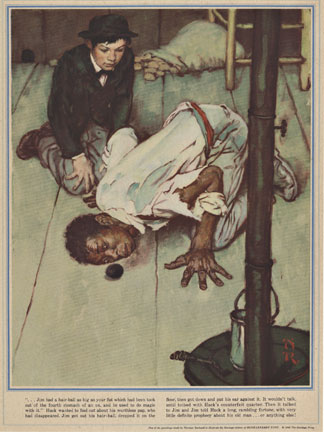
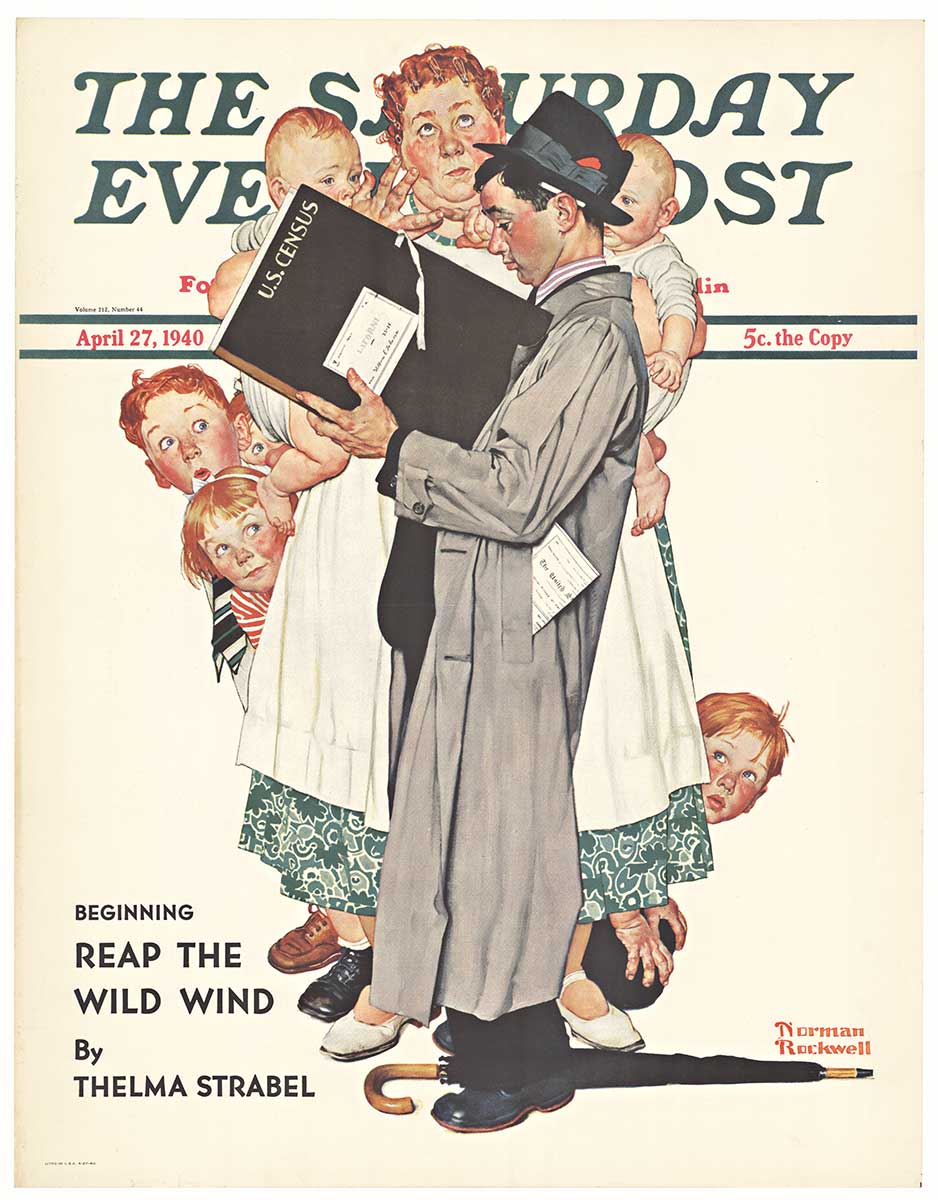
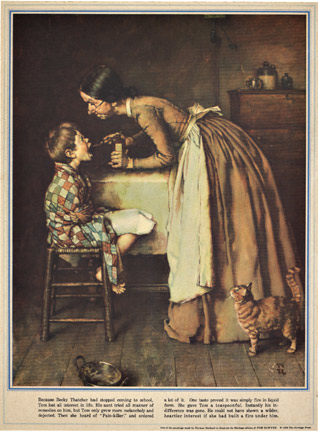
Norman Perceval Rockwell (1894–1978) was an American painter, illustrator, and visual storyteller whose prolific career spanning six decades fundamentally shaped 20th-century American visual culture through his intimate, psychologically penetrating depictions of everyday life. Born in New York City in 1894 and trained at the Chase Art School (later Parsons School of Design), the National Academy of Design, and the Art Students League of New York under master instructors Thomas Fogarty, George Bridgman, and Frank Vincent DuMond, Rockwell achieved unparalleled commercial success and cultural influence as America’s most recognizable illustrator. His extraordinary prolific output exceeded 4,000 original works created across seven decades, encompassing magazine cover illustration (particularly 323 covers for The Saturday Evening Post from 1916–1963), advertising design, book illustration, movie poster art, patriotic war posters, calendar design, and mural painting. Rockwell’s aesthetic vision—characterized by meticulous technical facility, psychological realism, democratic subject matter, and sentimental but unsentimental storytelling—transcended fine art boundaries to define American cultural identity and domestic aspiration throughout the Depression, war, and postwar periods.
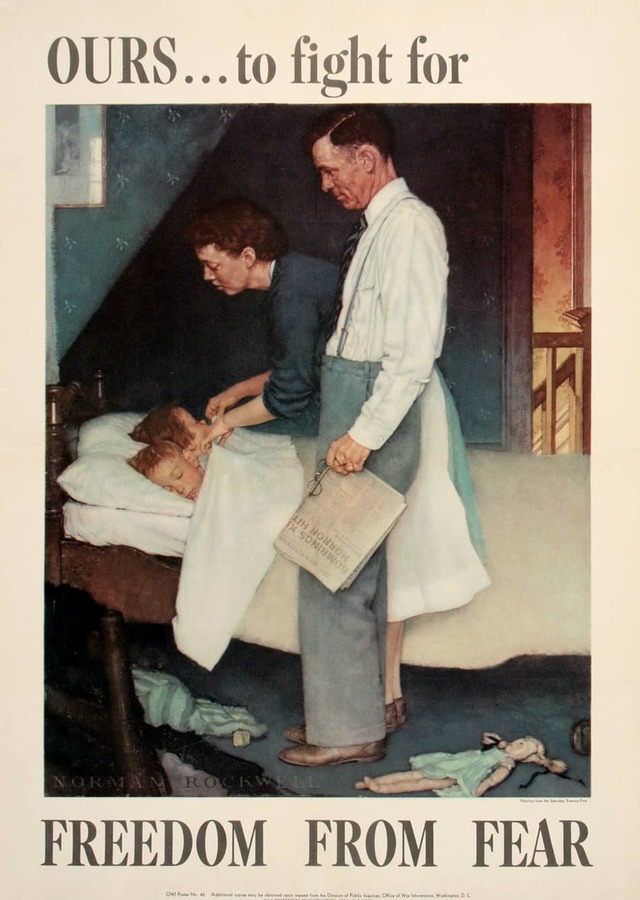
Rockwell’s career trajectory exemplifies sustained institutional prominence, commercial success, and cultural resonance unmatched among his generation. His early breakthrough came through his unprecedented dominance of The Saturday Evening Post cover from 1916 onward—establishing new standards for commercial illustration while simultaneously achieving critical recognition in fine art circles. His most celebrated achievement, the monumental Four Freedoms series (1943)—inspired by President Franklin D. Roosevelt’s articulation of universal rights—represented his artistic pinnacle: the four paintings (Freedom of Speech, Freedom of Worship, Freedom from Want, and Freedom from Fear) were toured by the U.S. Department of the Treasury to promote war bonds, establishing Rockwell as a guardian of American ideological values. Throughout his career, Rockwell executed iconic works including the Willie Gillis series, Rosie the Riveter (1943), Saying Grace (1951), Breaking Home Ties (1954), The Scoutmaster (1956), and the groundbreaking civil rights painting The Problem We All Live With (1964)—demonstrating his evolution from cheerful genre painter to engaged social commentator. Additionally, Rockwell maintained a 64-year professional relationship with the Boy Scouts of America, producing 471 images for calendars, periodicals, and promotional materials, and created commercial poster designs for major corporations including Pennsylvania Railroad, General Electric, Coca-Cola, and Steinway & Sons, establishing himself as an architectural figure linking fine art, commercial design, and American institutional identity.
Norman Rockwell’s market significance commands extraordinary institutional recognition, sustained collector demand, and record-breaking auction performance across multiple categories: original oil and tempera paintings, illustrated books, commercial calendars and posters, magazine covers, and documentary materials. Museum collections worldwide—including the Metropolitan Museum of Art, Whitney Museum, Philadelphia Museum of Art, and the preeminent Norman Rockwell Museum in Stockbridge, Massachusetts, which holds over 700 paintings, drawings, and studies—maintain Rockwell’s works as cornerstone holdings affirming his status as America’s quintessential 20th-century illustrator. His paintings command extraordinary auction records: Breaking Home Ties (1954) sold for $15.4 million in 2006; Saying Grace (1951) achieved $46 million in 2013, establishing a record for Rockwell’s work. His commercial poster art, advertising designs, and calendar illustrations appeal broadly to Americana collectors, design historians, illustration scholars, and cultural historians seeking authentic documentation of American values and domestic life. Scholarly recognition, institutional acquisition, and documented auction performance—with 867+ documented public sales—affirm Rockwell as an irreplaceable cultural figure whose comprehensive artistic vision continues to embody American democracy and optimistic social aspiration.
Showing all 6 results