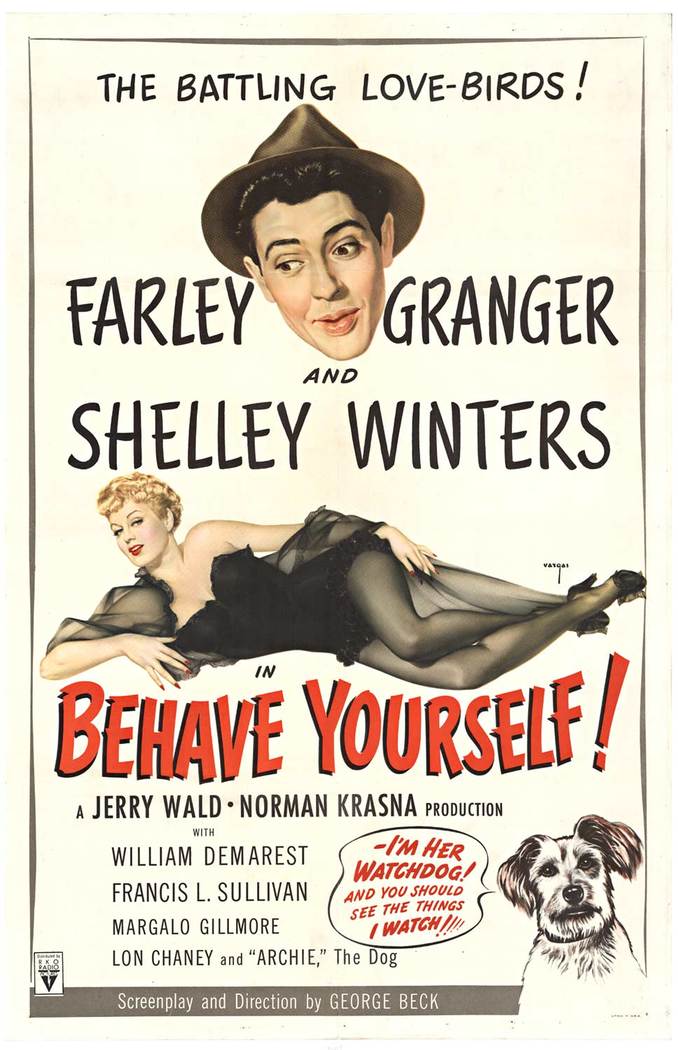
Alberto Vargas
Alberto Vargas (1896–1982): Peruvian-American Master of Pin-Up Illustration & American Pop Culture Icon
Alberto Vargas stands as the most celebrated and influential pin-up artist in American cultural history, whose elegant airbrush technique and idealized portrayals of the female form defined an entire genre and influenced generations of commercial artists and illustrators. His iconic “Varga Girls” remain among the most recognizable images of the 20th century, commanding significant collector interest and art historical significance.
Born Joaquin Alberto Vargas y Chávez in Arequipa, Peru, on February 9, 1896, Vargas received early art training in Europe before immigrating to the United States in 1916. He initially worked in theater design and illustration before discovering his signature style through commercial art commissions. By the 1930s, he had established himself as a highly sought-after illustrator for major magazines and advertising campaigns.
Vargas’ breakthrough into international prominence came in the 1940s through his legendary partnership with Esquire magazine, where he created the “Varga Girls”—a monthly series of original watercolor and airbrush paintings that became defining visual symbols of the era. These works were distinguished by their technical sophistication, soft focus aesthetic, idealized proportions, and sensual (yet never vulgar) presentation of the female form. His mastery of airbrush technique—a relatively new medium at the time—set his work apart from contemporaries and established new technical standards for commercial illustration.
The cultural impact of Vargas’ work extended far beyond magazine pages: his Esquire pin-ups were adapted for World War II aircraft nose art, making his imagery iconic symbols of American servicemen’s culture. The “Varga Girl” became as recognizable as wartime propaganda imagery, and original paintings from this era are among the most sought-after American commercial art objects.
Vargas’ artistic strength lay in his ability to elevate pin-up imagery through technical mastery and refined aesthetic sensibility. Unlike competitors who sometimes sacrificed artistry for shock value, Vargas demonstrated that commercial art could achieve both commercial appeal and legitimate artistic merit. His compositions employed sophisticated perspective, careful attention to fabric and surface texture, and nuanced color application that showcased the possibilities of airbrush media.
After World War II, Vargas continued to work prolifically for Esquire and other publications throughout the 1950s and 1960s, maintaining consistent demand from collectors and publications. He eventually settled in California, where he continued creating commissioned work and fine art paintings until his death in 1982. Later in life, his work received serious reconsideration from art historians and curators who recognized pin-up illustration as a legitimate art form with cultural and historical significance.
Today, original Vargas paintings and prints are highly collectible, appearing in museum collections including the Spencer Museum of Art and featured at major auction houses. His influence on commercial illustration, advertising aesthetics, and popular culture imagery remains unmatched. Original Vargas pin-ups are prized by collectors for their technical excellence, historical significance as documents of mid-20th century American visual culture, and their role as foundational works in illustration history.
Showing the single result